
Does Vanilla Extract Really Keep Mosquitoes Away or Is It Just a Myth?

Mosquitoes are a common nuisance, especially during warm months. Many people look for natural ways to keep these pests at bay, and vanilla extract often comes up as a popular home remedy. It smells pleasant and is easy to find, but does it actually work as a mosquito repellent? This post explores the truth behind vanilla extract’s reputation and compares it to proven mosquito repellents.

Why People Think Vanilla Extract Might Repel Mosquitoes
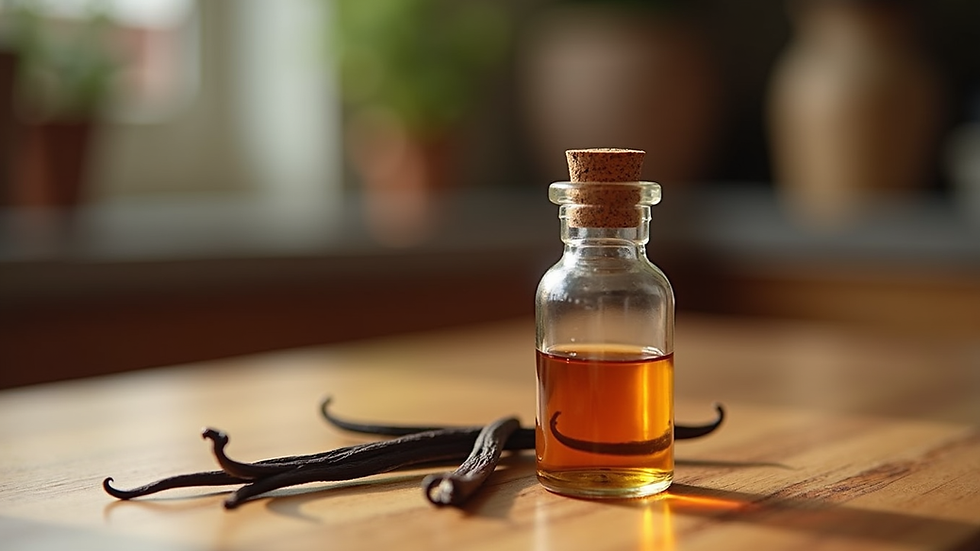
Vanilla extract has a sweet, warm scent that many find soothing. Some believe this scent masks the odors that attract mosquitoes, such as carbon dioxide and body odor. The idea is that if mosquitoes cannot detect these signals, they will avoid the area.
People often try applying vanilla extract directly to their skin or spraying it around outdoor spaces. The appeal is understandable: it’s a natural product, inexpensive, and easy to use. But does this method hold up under scientific scrutiny?
What Science Says About Vanilla Extract and Mosquitoes
Research on vanilla extract as a mosquito repellent is limited. Most studies focus on essential oils like citronella, eucalyptus, and lemon, which contain compounds proven to deter mosquitoes. Vanilla extract, made by soaking vanilla beans in alcohol, does not have these same compounds in significant amounts.
Some small-scale tests show vanilla extract may have a mild repellent effect, but it is weak and short-lived. The alcohol in the extract might provide some initial deterrence, but it evaporates quickly, leaving the scent behind without strong protection.
In contrast, products containing DEET, picaridin, or oil of lemon eucalyptus have been tested extensively and shown to provide reliable, long-lasting protection against mosquito bites.
Practical Alternatives That Work Better Than Vanilla Extract
If you want to avoid mosquito bites effectively, consider these options:
DEET-based repellents
These are the gold standard for mosquito protection. They provide hours of defense and work against many mosquito species.
Picaridin repellents
Picaridin is a synthetic compound that offers similar protection to DEET but with less odor and skin irritation.
Oil of lemon eucalyptus
This natural oil has been shown to repel mosquitoes effectively and is a good option for those seeking plant-based repellents.
Physical barriers
Wearing long sleeves, pants, and using mosquito nets or screens can reduce exposure without chemicals.
Environmental control
Eliminating standing water around your home reduces mosquito breeding sites and lowers their population.
Why Vanilla Extract Might Still Be Useful
While vanilla extract is not a reliable mosquito repellent, it has some benefits worth noting:
It smells pleasant and can mask body odor temporarily.
It is safe to use on skin in small amounts.
It can be part of a DIY spray mixed with other essential oils that have proven repellent properties.
If you want to try vanilla extract, use it alongside other methods rather than relying on it alone.

How to Make a More Effective Natural Mosquito Spray
For those interested in natural solutions, combining vanilla extract with other essential oils can improve effectiveness. Here’s a simple recipe:
1 cup water
2 tablespoons vanilla extract
10 drops citronella oil
10 drops eucalyptus oil
Mix these ingredients in a spray bottle and shake well before use. Spray on exposed skin and around outdoor seating areas. This blend uses the pleasant scent of vanilla with oils that have documented mosquito-repelling effects.
When to Choose Commercial Repellents Over Home Remedies
If you are in an area with a high risk of mosquito-borne diseases like West Nile virus, Zika, or malaria, it is crucial to use proven repellents. Home remedies like vanilla extract do not provide adequate protection in these situations.
For casual backyard use or short outdoor activities, natural sprays might be enough to reduce bites, but always test for skin sensitivity first.

Summary
Vanilla extract smells great but does not reliably keep mosquitoes away. It lacks the active compounds found in effective repellents and offers only mild, short-term protection. For real defense against mosquitoes, use products with DEET, picaridin, or oil of lemon eucalyptus, and combine them with physical barriers and environmental control.


Comments