
Why Does Vanilla Extract Have Alcohol?
- The Aztec Vanilla Team

- Jun 13
- 4 min read
Vanilla extract is a staple in kitchens worldwide, adding rich flavor to cakes, cookies, and countless desserts. Yet, if you’ve ever glanced at the label, you might have noticed it contains alcohol. This often raises questions: why does vanilla extract have alcohol? Is it safe? Does it affect the taste or baking process? If you’re a baker, a parent, or someone curious about ingredients, understanding the role of alcohol in vanilla extract can help you make informed choices.
This post will explore the reasons behind alcohol in vanilla extract, its content levels, and what it means for your recipes and dietary preferences.

What Is Vanilla Extract Made Of?
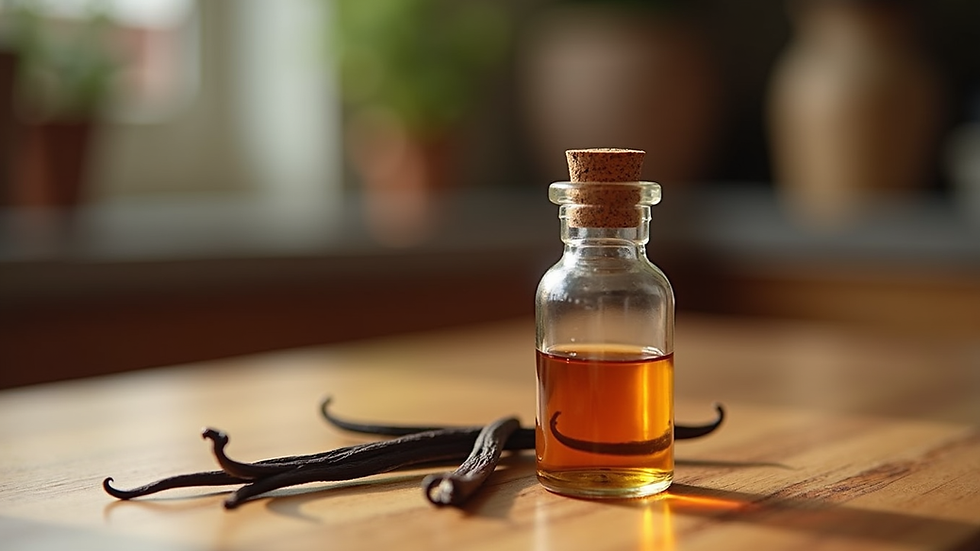
Vanilla extract is made by soaking vanilla beans in a mixture of alcohol and water. This process extracts the flavor compounds from the beans, creating the familiar dark liquid used in baking and cooking.
Vanilla beans provide the flavor.
Alcohol acts as a solvent to pull out the flavor compounds.
Water dilutes the mixture to the right concentration.
The alcohol used is typically a neutral spirit like ethanol, which is safe for consumption and commonly used in food products.
Why Does Vanilla Extract Have Alcohol?
The presence of alcohol in vanilla extract is not accidental. It plays a crucial role in both the extraction process and the preservation of the product.
Alcohol Extracts Flavor Compounds
Vanilla beans contain hundreds of flavor compounds, including vanillin, which gives vanilla its signature taste. Many of these compounds are soluble in alcohol but not in water alone. Alcohol helps dissolve these compounds efficiently, resulting in a rich, full-bodied vanilla flavor.
Alcohol Preserves the Extract
Alcohol acts as a natural preservative. It prevents the growth of bacteria and mold, extending the shelf life of vanilla extract. Without alcohol, vanilla extract would spoil quickly, especially since it contains organic material from the beans.
Legal Standards Require Alcohol Content
In the United States, the Food and Drug Administration (FDA) mandates that pure vanilla extract must contain at least 35% alcohol by volume. This standard ensures the product meets quality and safety requirements.
What Is the Vanilla Extract Alcohol Content?
The alcohol content in vanilla extract varies depending on the type and brand, but here are some typical figures:
Pure vanilla extract: At least 35% alcohol by volume (70 proof).
Imitation vanilla extract: May contain less or no alcohol, but often includes synthetic vanillin.
Alcohol-free vanilla flavoring: Uses glycerin or propylene glycol instead of alcohol.
The 35% alcohol content in pure vanilla extract is similar to many liquors. However, the amount used in recipes is usually small, so the final dish contains only trace amounts of alcohol.
Does Vanilla Extract Contain Alcohol in Baked Goods?
Many people wonder if the alcohol in vanilla extract remains in baked goods after cooking. The answer depends on the cooking method and temperature.
Baking at high temperatures: Most of the alcohol evaporates during baking, especially if the dish is cooked for a long time.
No-bake recipes: Alcohol remains in the final product since it is not heated.
Simmering or boiling: Alcohol content reduces but may not disappear completely.
For example, a cake baked at 350°F for 30 minutes will lose most of the alcohol from vanilla extract, making it safe for children and those avoiding alcohol. However, in recipes like frosting or no-bake desserts, the alcohol remains.
Alternatives to Alcohol-Based Vanilla Extract
If you prefer to avoid alcohol, there are several options:
Alcohol-free vanilla flavoring: Made with glycerin or propylene glycol, these products mimic vanilla flavor without alcohol.
Vanilla bean paste: Contains vanilla seeds and extract but often less alcohol.
Vanilla powder: Made from dried vanilla beans, no alcohol involved.
Imitation vanilla extract: Usually contains synthetic flavoring and less or no alcohol.
Each alternative has pros and cons. Alcohol-free versions may lack the depth of flavor found in pure vanilla extract. Vanilla bean paste and powder offer natural flavor but can be more expensive.

What Should You Know When Buying Vanilla Extract?
When shopping for vanilla extract, consider these points:
Check the label: Look for "pure vanilla extract" to ensure it contains real vanilla and alcohol.
Alcohol content: Pure vanilla extract must have at least 35% alcohol, but some brands may have more.
Organic or natural: Some brands offer organic vanilla extract made with organic vanilla beans and alcohol.
Price: Pure vanilla extract is more expensive than imitation versions but offers better flavor.
Alcohol-free options: If you avoid alcohol, look for products labeled "alcohol-free vanilla flavoring."
Is Alcohol in Vanilla Extract Safe?
The alcohol in vanilla extract is safe for most people when used in typical amounts for cooking and baking. The small quantity used in recipes means the final alcohol content in food is minimal.
However, consider these points:
Children and alcohol sensitivity: Since baking usually removes most alcohol, vanilla extract is generally safe for children. For no-bake recipes, consider alcohol-free alternatives.
Pregnancy: Pregnant individuals may prefer to avoid alcohol, so alcohol-free vanilla flavoring is a good choice.
Sober-curious or recovering individuals: Alcohol-free options provide peace of mind without sacrificing flavor.
How to Use Vanilla Extract in Recipes
To get the best flavor and minimize alcohol concerns, follow these tips:
Use pure vanilla extract for rich, authentic flavor.
Add vanilla extract early in the cooking process to allow alcohol to evaporate.
For no-bake recipes, consider alcohol-free vanilla flavoring if avoiding alcohol.
Store vanilla extract in a cool, dark place to maintain quality.
Summary
Vanilla extract contains alcohol because alcohol is essential for extracting and preserving the rich flavors from vanilla beans. The typical vanilla extract alcohol content is around 35%, which meets legal standards and ensures quality. While alcohol remains in no-bake recipes, baking usually removes most of it.
If you wonder does vanilla extract contain alcohol and how it affects your cooking or dietary needs, now you have clear answers. Whether you choose pure vanilla extract or an alcohol-free alternative, understanding the role of alcohol helps you bake with confidence and enjoy your favorite treats.


Comments