
The Art of Mexican Vanilla Sourcing: A Journey to Flavor
- Carlos

- May 18
- 4 min read
When I first dipped my spoon into a bowl of vanilla-infused custard, I had no idea that the story behind that rich, creamy flavor was as vibrant and fascinating as the taste itself. Sourcing Mexican vanilla beans is not just about picking a spice; it’s about embracing a tradition that dates back centuries, steeped in culture, care, and a touch of magic. If you’ve ever wondered what makes Mexican vanilla so special or how to find the best beans for your kitchen adventures, you’re in the right place. Let’s dive into this flavorful journey together!
Discovering the Heart of Mexican Vanilla Sourcing
Mexican vanilla sourcing is a delicate dance between nature and nurture. The vanilla orchid, native to Mexico, thrives in the warm, humid climate of regions like Papantla, Veracruz. This is where the magic begins. The beans are hand-pollinated, a labor-intensive process that requires patience and precision. Each flower blooms for just one day, and without human help, it would never produce the precious pods we crave.
Once pollinated, the beans take about nine months to mature. Then comes the curing process, where the beans are carefully dried and aged to develop their signature aroma and flavor. This is where the real artistry shines. The curing can take several months, during which the beans transform from green pods into the dark, oily treasures that fill your kitchen with warmth.

The result? Vanilla beans that are rich, creamy, and complex, with hints of spice and a deep, mellow sweetness. This is the essence of authentic Mexican vanilla, a flavor that elevates everything from cakes to coffee.
Why Mexican Vanilla Sourcing Matters to Your Kitchen
You might be wondering, why should you care about where your vanilla comes from? Well, the answer is simple: quality and authenticity. Mexican vanilla beans are known for their unique flavor profile, which is different from the more common Madagascar or Tahitian varieties. They bring a warm, spicy note that can turn an ordinary recipe into something extraordinary.
When you source your vanilla beans directly from trusted regions in Mexico, you’re not just getting a spice; you’re getting a story, a tradition, and a commitment to quality. Plus, supporting authentic sourcing helps preserve the livelihoods of the farmers and communities who have cultivated vanilla for generations.
Here are a few tips to keep in mind when sourcing Mexican vanilla beans:
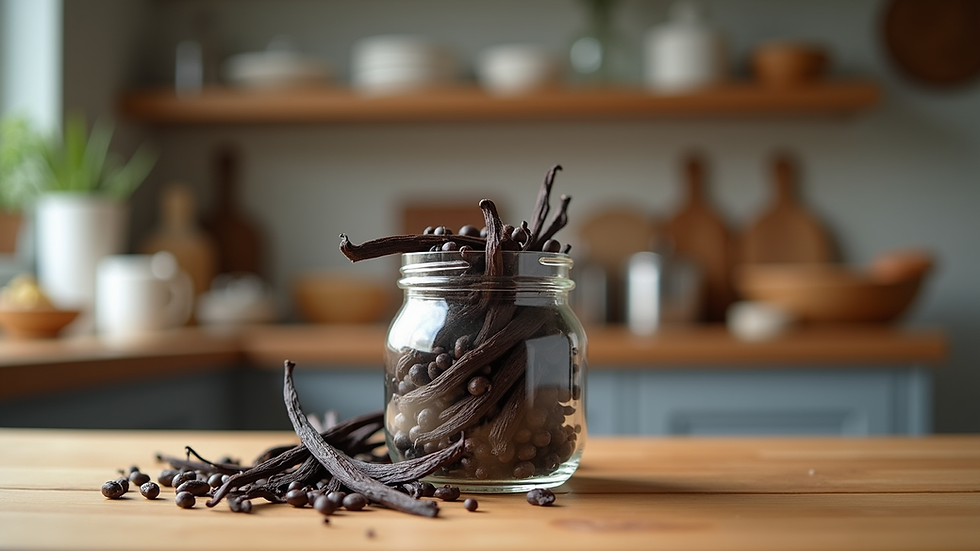
Look for plump, oily beans: These indicate freshness and quality.
Check the aroma: Authentic beans have a rich, sweet scent with hints of spice.
Avoid beans that are dry or brittle: These are likely old or poorly cured.
Buy from reputable sources: This ensures you’re getting genuine Mexican vanilla, not an imitation.
By choosing carefully, you’re setting yourself up for baking success and a pantry full of flavor.
Is vanilla good for arthritis?
You might be surprised to learn that vanilla isn’t just a treat for your taste buds. Some studies suggest that vanilla has anti-inflammatory properties, which could be beneficial for people dealing with arthritis. The vanillin compound found in vanilla beans has been shown to reduce inflammation and oxidative stress in the body.
While vanilla alone isn’t a cure, incorporating it into your diet can be a delightful way to add a little extra support for joint health. Imagine enjoying a soothing vanilla tea or a homemade dessert that not only tastes amazing but might also help ease some discomfort. It’s a sweet bonus to an already wonderful ingredient!
How to Choose and Store Mexican Vanilla Beans for Maximum Flavor
Once you’ve found your perfect batch of Mexican vanilla beans, the next step is making sure they stay fresh and flavorful. Here’s how I keep my beans in tip-top shape:
Store in an airtight container: Keep your beans away from air and moisture to preserve their oils.
Avoid direct sunlight: A cool, dark place is best.
Use within 6-12 months: While beans can last longer, their flavor peaks within this timeframe.
Don’t refrigerate or freeze: This can dry out the beans and reduce their quality.
When it’s time to use them, split the bean lengthwise and scrape out the tiny seeds. These seeds are packed with flavor and can be added directly to batters, creams, or syrups. The pod itself can be simmered in milk or sugar syrup to infuse even more vanilla goodness.
Bringing Mexican Vanilla Beans Into Your Everyday Cooking
Now for the fun part - cooking with your beautifully sourced vanilla beans! The possibilities are endless, and the flavor is always a showstopper. Here are some of my favorite ways to use Mexican vanilla beans:
Vanilla sugar: Bury a split bean in a jar of sugar and let it sit for a couple of weeks. Use this fragrant sugar in coffee, tea, or baking.
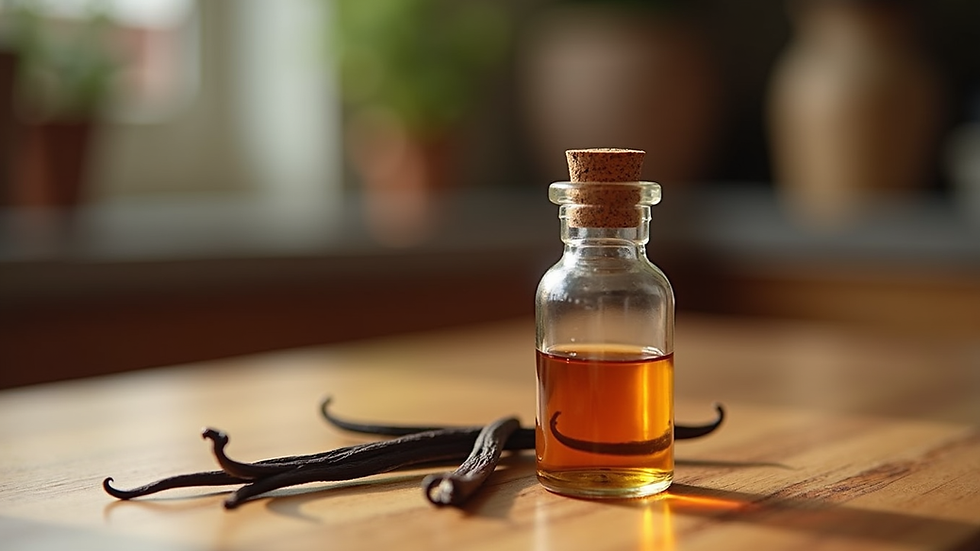
Homemade vanilla extract: Soak beans in vodka for several months to create your own extract.
Infused creams and custards: Add beans to cream or milk when making ice cream, panna cotta, or custard.
Baked goods: Incorporate the seeds into cakes, cookies, and muffins for a natural vanilla boost.
Savory dishes: Try a touch of vanilla in sauces or marinades for a subtle, sweet depth.
Using real vanilla beans is a game-changer. The flavor is richer, more complex, and simply more satisfying than artificial extracts. Plus, it’s a joy to work with such a beautiful, natural ingredient.
Embracing the Tradition and Flavor of Mexican Vanilla
Sourcing Mexican vanilla beans is more than just a shopping choice - it’s a way to connect with a rich cultural heritage and bring authentic flavor into your kitchen. From the careful hand-pollination to the patient curing process, every step is a labor of love that results in a truly special ingredient.
If you want to experience the best of what vanilla has to offer, I encourage you to explore the world of Mexican vanilla. It’s a journey worth taking, full of warmth, sweetness, and a little bit of magic. And remember, when you choose mexican vanilla beans, you’re not just buying vanilla - you’re inviting a story into your home.
So go ahead, grab a bean, split it open, and let the adventure begin. Your taste buds will thank you!


Comments