
Discovering Mexican Vanilla: What Makes It Unique (and Why Bakers Adore It)
- The Aztec Vanilla Team

- Dec 29, 2025
- 3 min read
Updated: Jan 15
Mexican vanilla isn’t just “vanilla.” It’s often described as richer, creamier, and gently spiced. This flavor elevates cookies, making them taste more buttery. It deepens custards and makes chocolate desserts feel more luxurious. If you’ve ever wondered what sets Mexican vanilla apart, it comes down to three key elements: origin, tradition, and curing.
What is Mexican Vanilla?
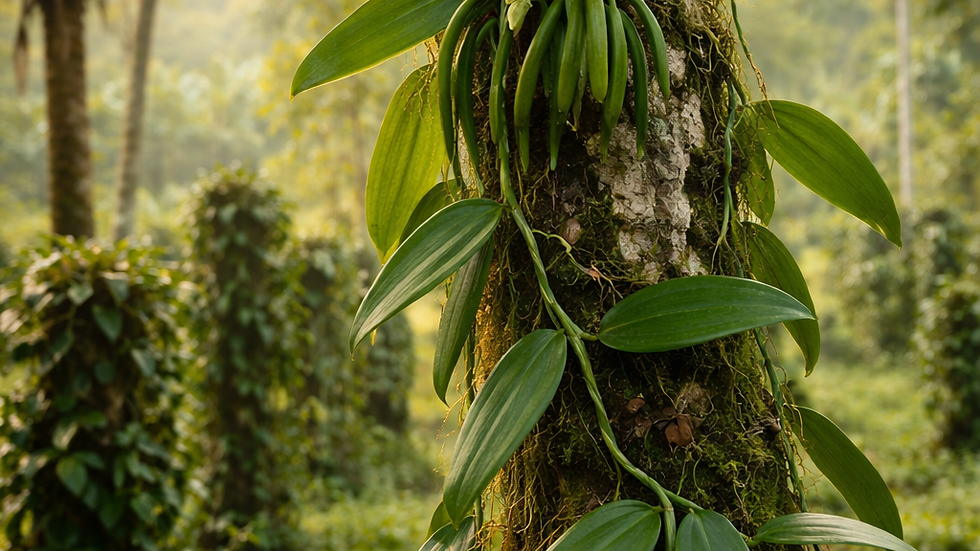
Most “real vanilla” comes from the vanilla orchid Vanilla planifolia. Mexico is widely recognized as vanilla’s historical homeland. The Totonac people in the region now known for vanilla production in Veracruz (including the Papantla area) have deep cultivation roots.
This history matters because vanilla is not a commodity crop you can rush. Great vanilla results from careful farming and patient processing, often passed down through generations.
Why Does Mexican Vanilla Taste Different?
Mexican vanilla is known for a flavor profile that can lean:
Warm and creamy
Sweet, but not sugary
Lightly spicy
Sometimes woody or smoky (depending on the beans and curing style)
The Real Reason: Curing + Time
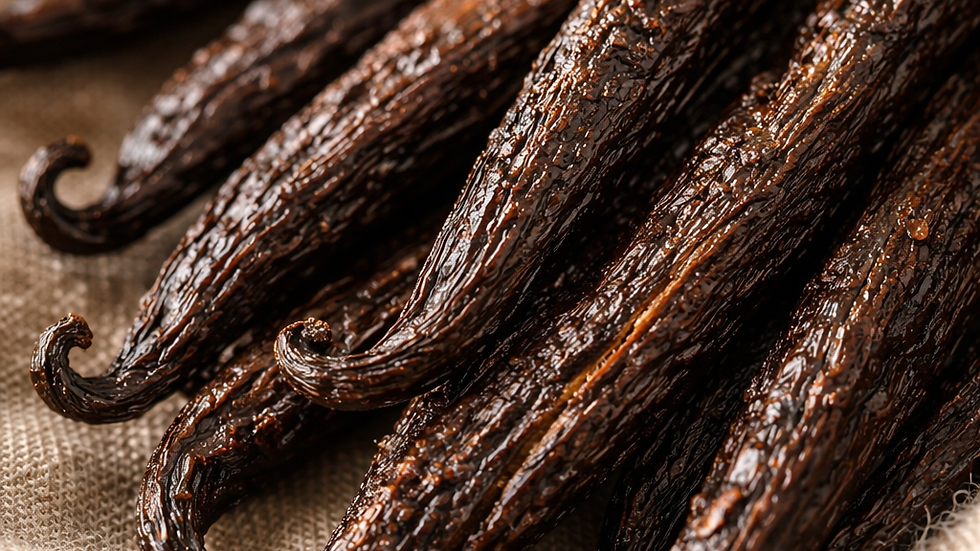
After harvest, vanilla pods undergo a multi-step curing process. This often involves sweating/fermentation, sun-drying, and resting. This is where the aroma develops and deepens. When done well, it creates a complexity you won’t always find with faster processing.

Mexican Vanilla vs. Other Popular Vanillas
Vanilla can taste noticeably different depending on origin and processing style:
Mexican vanilla: creamy, warm, subtly spiced
Madagascar vanilla: classic “sweet vanilla” profile, often bold and straightforward
Tahitian vanilla: more floral and fruity
There’s no “best,” but if you want vanilla that adds depth (not just sweetness), Mexican vanilla is a strong choice.
Best Ways to Use Mexican Vanilla in Baking and Cooking
Mexican vanilla shines in recipes where vanilla is meant to be noticed:
Baking Favorites
Vanilla cake, cupcakes, buttercream
Chocolate chip cookies (adds a warm finish)
Brownies (makes chocolate taste rounder)
Cheesecake, tres leches cake
Creamy Desserts
Flan, crème brûlée, pudding
Homemade ice cream
Custards and pastry creams
Drinks + “Small Upgrades”
Coffee, cold brew, lattes
Hot chocolate
Oatmeal, Greek yogurt, smoothies
Tip: If your extract is especially aromatic, start with about ¾ of what your recipe calls for. Adjust next time based on taste.
How to Spot Authentic Mexican Vanilla Extract
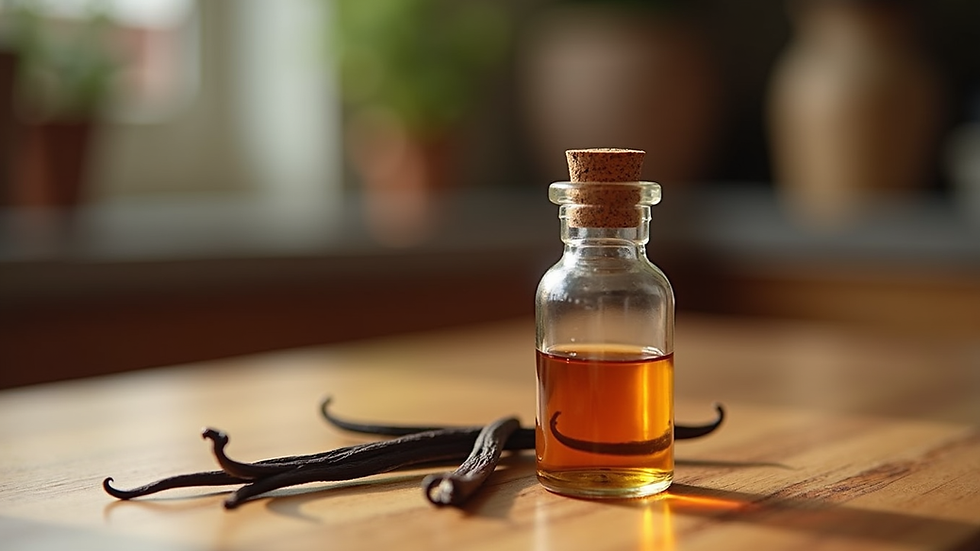
Because “Mexican vanilla” gets used loosely, the label matters. Look for these signals:
1) Clear Ingredients
A simple ingredient list is usually a good sign:
Vanilla (beans/vanilla extractives)
Alcohol
Water
Be cautious with products that rely heavily on artificial flavors, syrups, or vague “vanilla flavoring.”
2) Transparent Sourcing
High-quality brands usually indicate where the vanilla is sourced (region/state, cooperative, or farm relationships).
3) Aroma Test
Real vanilla typically smells:
Deep, rounded, and natural
Not overly sweet like candy, or sharp like perfume
4) Pricing Reality
Vanilla is labor-intensive. If it’s extremely cheap, it may be diluted, flavored, or lower quality.
Want to Cook with Whole Mexican Vanilla Beans?
Whole beans are perfect for custards, creams, and syrups.
How to Use:
Split the bean lengthwise.
Scrape the seeds into your recipe.
Simmer the pod in milk/cream/syrup, then remove.
Bonus: Put used pods into a jar of sugar to make vanilla sugar.
FAQs
Is Mexican vanilla stronger than other vanilla?
It can be. Many people perceive Mexican vanilla as richer and warmer. A little can go a long way, depending on the extract.
Does Mexican vanilla taste different from Madagascar vanilla?
Often yes—Mexican vanilla can taste creamier and gently spiced, while Madagascar is usually more classic and sweet-forward.
What’s the best dessert for Mexican vanilla?
Flan, custards, tres leches, and ice cream are top picks because the flavor has room to shine.
How do I know if vanilla extract is real?
Look for a short ingredient list (vanilla, alcohol, water), transparent sourcing, and a natural aroma (not candy-sweet or perfumey).
Can I use Mexican vanilla in savory recipes?
Yes—small amounts can add depth to sauces, marinades, and even roasted dishes, especially alongside citrus, chili, or chocolate.
Bring the Flavor of Mexican Vanilla into Your Kitchen
Mexican vanilla is one of the easiest upgrades you can make if you bake even occasionally. It adds warmth, depth, and complexity—the kind people notice but can’t always name.
Ready to try it? Aztec Vanilla offers Mexican vanilla extracts designed to bring that rich, traditional flavor into everyday baking and desserts. You can explore our offerings here.


Comments