
Uncovering the Origins of Vanilla – From Mexican Roots to Global Flavor

Vanilla, often referred to as the "queen of spices," boasts a rich history intertwined with ancient civilizations. This blog post explores the journey of vanilla, from its lush Mexican landscapes to its beloved status worldwide. Prepare to dive deep into the story of vanilla—a flavor that embodies tradition, cultivation, and transformation.
Roots of Vanilla
Vanilla is native to Mexico, where it has been cultivated for centuries. The Totonac people were the first to discover the vanilla orchid, known scientifically as Vanilla planifolia. They initially used vanilla for medicinal purposes and in sacred rituals. For instance, it was used in ceremonial drinks, signaling its importance long before it became a culinary staple.
When the Aztecs conquered the Totonacs in the 15th century, they recognized vanilla's potential as a flavoring agent. They famously combined vanilla with cacao to create a rich chocolate drink. Historical accounts suggest that this beverage was so enjoyable that it was served exclusively to high-ranking individuals, including emperors like Montezuma. This pivotal moment marked vanilla's entry into culinary history, establishing its significance in both culture and cuisine.

The Lifecycle of the Vanilla Orchid
Understanding the lifecycle of the vanilla orchid is crucial to appreciate the complexity of vanilla production. The journey from orchid to extract involves several key stages:
Pollination
The vanilla orchid has a unique reproductive process. In Mexico, it relies on the Melipona bee for pollination. These stingless bees are perfectly adapted to pollinate the delicate flowers, which bloom for just one day. This makes quick pollination essential for pod development.
However, when vanilla spread to regions like Madagascar, the Melipona bee was absent. This led to the invention of hand-pollination techniques in the 19th century. This innovation enabled vanilla cultivation to expand beyond its original homeland, allowing global distribution.
Pod Growth and Harvest
Once pollinated, the vanilla orchid produces long, green pods that take approximately 8 to 9 months to mature. Farmers monitor the pods closely to ensure they are harvested at the right time. Studies show that pods harvested too early may lack flavor, while those picked too late can spoil.
This harvesting process is labor-intensive, as each pod must be picked by hand. For context, it takes about 1,500 hand-pollinated flowers to produce just one kilogram of vanilla beans, highlighting the effort involved in producing high-quality vanilla.
Curing and Drying
After harvesting, the vanilla pods undergo a curing process to enhance their flavor. This involves blanching the pods in hot water, then sweating them in warm environments. They are sun-dried over a period of several weeks. Curing is crucial; it transforms the green pod into a dark, aromatic vanilla bean and develops the rich flavors we associate with vanilla today.
Extract Production
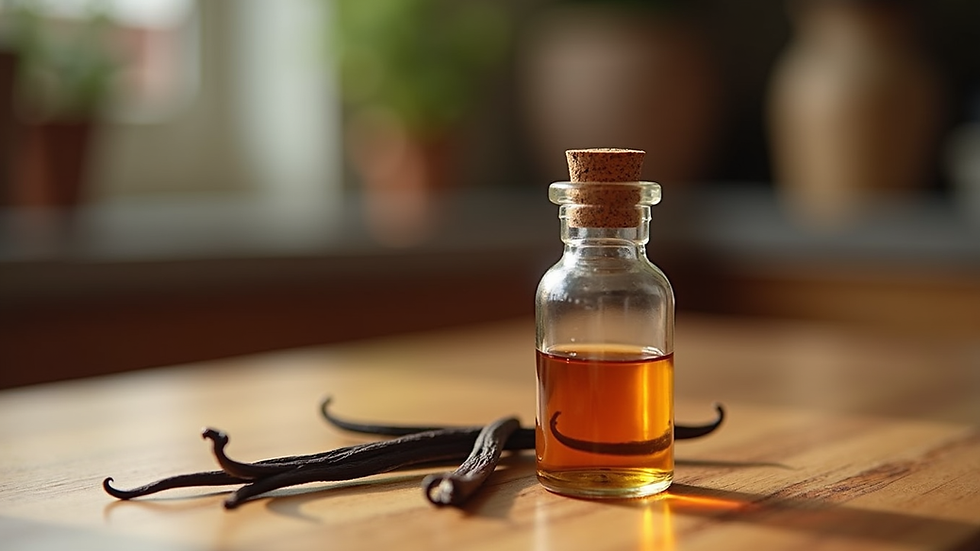
The final step is producing vanilla extract. This process involves soaking cured vanilla pods in a mixture of alcohol and water, which allows the flavors to infuse. The outcome is a rich, aromatic extract widely used in baking, cooking, and beverages. Notably, pure vanilla extract contains about 35% alcohol and is often sought after because of its superior flavor profile.

The Global Journey of Vanilla
The introduction of vanilla to Europe by Spanish conquistadors marked a significant turning point. After experiencing vanilla's use by the Aztecs, they recognized its flavor potential and brought it back to Spain. There, it quickly gained popularity among the elite classes.
As demand rose, the need for cultivation outside Mexico grew. The hand-pollination techniques developed in the 19th century enabled successful growth in regions like Madagascar and Tahiti. Today, Madagascar is the largest producer of vanilla, contributing about 80% of the world's supply.
Despite its global reach, Mexican vanilla's unique flavor profile—characterized by rich, creamy notes—continues to be cherished by chefs and home bakers alike.
The Aztec Effect
The Aztecs significantly impacted vanilla's history. They elevated it from a local plant to a beloved flavoring agent. Their innovative use of vanilla in beverages not only created a delicious drink but also made it a symbol of power.
This legacy remains honored through ongoing vanilla cultivation in Mexico, where traditional techniques still prevail. The connection between the Aztecs and today’s vanilla production serves as a reminder of the cultural heritage surrounding this treasured spice.

To dive even deeper into the fascinating and sometimes surprising history of vanilla, watch this short documentary-style video. It explores how the Aztecs first used vanilla as a flavoring, why cultivation is so challenging, and why real vanilla is one of the world’s most valuable spices.
Frequently Asked Questions
Where does vanilla come from?
Vanilla comes from the vanilla orchid, specifically Vanilla planifolia, which is native to Mexico.
Is vanilla native to Mexico?
Yes, vanilla is native to Mexico and was first cultivated by the Totonac people.
What plant does vanilla come from?
Vanilla comes from the vanilla orchid, scientifically known as Vanilla planifolia.
Where does vanilla flavor originate?
Vanilla flavor comes from the cured pods of the vanilla orchid, which are processed to create vanilla extract.
Why is vanilla so expensive?
The high price of vanilla results from the labor-intensive processes involved in pollination, harvesting, curing, and extracting. External factors, like climate change and rising demand, can also influence prices.
Celebrating Vanilla’s Rich Heritage
The story of Mexican vanilla is a rich narrative of culture, tradition, and culinary creativity. From its origins with the Totonac people to its elevation by the Aztecs, vanilla's remarkable journey has shaped its place in global cuisine.
As we celebrate vanilla’s legacy, we must honor its Mexican roots and the artisans who continue to cultivate this exquisite flavor. By choosing authentic Mexican vanilla extract, consumers can enjoy the genuine essence of this beloved spice.
In a world where flavors are often mass-produced, embracing authentic Mexican vanilla allows us to connect more deeply with its rich history and culture. Be it in baking, cooking, or savoring a coffee, the unique flavor of Mexican vanilla serves as a reminder of the beauty and complexity of nature.


Comments