
The Heritage and Flavor of Aztec Vanilla History
- The Aztec Vanilla Team

- Nov 10, 2025
- 4 min read
Vanilla is one of those magical ingredients that can transform a simple dish into something extraordinary. But have you ever wondered where this enchanting flavor truly comes from? Today, I’m excited to take you on a flavorful journey into the heritage and flavor of Aztec vanilla history. This story is rich with tradition, culture, and a touch of mystery that makes vanilla more than just a spice—it’s a celebration of centuries-old craftsmanship.
Imagine the lush, green landscapes of Mexico, where vanilla orchids climb and bloom, filling the air with their sweet scent. This is where the story begins, and where the legacy of vanilla is still alive and thriving.

The Roots of Aztec Vanilla History
Let’s rewind the clock to ancient Mexico, where vanilla was first discovered and cherished. The vanilla orchid, native to this region, was a prized possession of the Totonac people, who lived along the Gulf Coast. They were the original cultivators of vanilla, nurturing the delicate vines and harvesting the pods with great care.
The Aztecs, who later conquered the Totonacs, quickly recognized vanilla’s value. They used it to flavor their favorite drink, xocoatl—a rich, frothy chocolate beverage that was both a luxury and a symbol of power. Vanilla wasn’t just a flavor; it was a status symbol, reserved for nobility and warriors.
This history is the foundation of what we now call Aztec vanilla, a product that carries the essence of these ancient traditions into modern kitchens. The vanilla beans from Papantla, Mexico, are still hand-pollinated and cured using methods passed down through generations, preserving the authentic taste and aroma.
Did the Aztecs Have Vanilla?
You might be wondering, did the Aztecs really have vanilla? The answer is a bit nuanced. While the Aztecs didn’t cultivate vanilla themselves, they certainly valued it highly. The Totonac people, who were the original vanilla growers, were conquered by the Aztecs, who then took control of the vanilla trade.
The Aztecs used vanilla primarily as a flavoring for their chocolate drinks, which were consumed during religious ceremonies and important social events. Vanilla was so precious that it was often used as a form of tribute to the Aztec emperor.
Interestingly, the Aztecs didn’t know how to pollinate vanilla orchids outside their natural habitat, which is why vanilla cultivation remained limited to Mexico for centuries. It wasn’t until the 19th century that hand-pollination techniques were developed, allowing vanilla to be grown in other parts of the world.

What Makes Aztec Vanilla So Special?
Now, let’s talk about what makes Aztec vanilla stand out from the crowd. It’s not just about the flavor—it’s about the story, the care, and the tradition behind every bottle.
Authentic Origin: Aztec vanilla comes from the Papantla region in Mexico, where vanilla orchids have been grown for centuries.
Hand-Pollinated: Each vanilla flower is hand-pollinated by skilled farmers, ensuring the highest quality beans.
Natural Curing Process: The beans are cured using traditional methods that enhance their rich, creamy flavor and deep aroma.
Sustainable Farming: Many vanilla producers in this region practice sustainable farming, supporting local communities and preserving the environment.
When you use Aztec vanilla in your recipes, you’re not just adding flavor—you’re connecting with a rich cultural heritage. Whether you’re baking cookies, making ice cream, or crafting a homemade vanilla syrup, this vanilla brings a warm, inviting depth that’s hard to beat.
How to Use Aztec Vanilla in Your Kitchen
Ready to bring a little Aztec magic into your cooking? Here are some simple, delicious ways to use this exquisite vanilla:
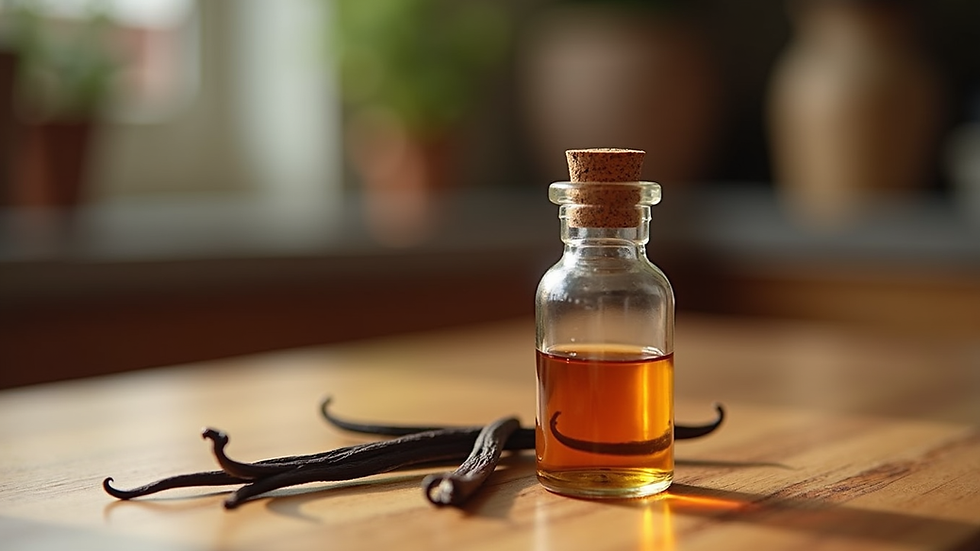
Vanilla Extract: Add a teaspoon or two to your cakes, cookies, and custards for a natural, rich flavor.
Vanilla Beans: Split the bean and scrape out the seeds to infuse creams, sauces, and syrups.
Vanilla Sugar: Mix vanilla beans with sugar to create a fragrant sweetener for coffee, tea, or baking.
Homemade Ice Cream: Use Aztec vanilla to make creamy, aromatic vanilla ice cream that tastes like a dream.
Savory Dishes: Experiment with vanilla in marinades or glazes for meats and vegetables to add a subtle sweetness.
Don’t be shy—vanilla is incredibly versatile! It pairs beautifully with chocolate, cinnamon, citrus, and even herbs like mint and basil. The key is to start with high-quality vanilla, like the authentic Aztec vanilla, to get the best results.

Bringing Aztec Vanilla to Your Home
If you’re as enchanted by this story as I am, you might be wondering where to find genuine Aztec vanilla. The good news is, it’s more accessible than ever. Many specialty stores and online shops offer authentic vanilla products sourced directly from Mexico.
When shopping, look for:
Clear labeling that indicates the vanilla’s origin.
Pure vanilla extract without artificial additives.
Whole vanilla beans that are plump, moist, and fragrant.
By choosing authentic Aztec vanilla, you’re supporting traditional farmers and helping keep this beautiful heritage alive. Plus, your recipes will thank you with richer, more complex flavors.
So next time you reach for vanilla, remember the journey it’s taken—from the tropical forests of Mexico to your kitchen. It’s a story of passion, tradition, and flavor that’s waiting to be shared in every bite.
I hope this little dive into the heritage and flavor of Aztec vanilla history has inspired you to explore this wonderful ingredient in your own cooking adventures. There’s something truly special about using a spice with such a rich backstory—it turns everyday dishes into celebrations of culture and taste. Happy cooking!


Comments